
Start with the whole World Heritage site
Venice is not a compact monument with water around the edges. UNESCO defines the World Heritage property as the city and its lagoon: a 70,176.4-hectare area whose urban heart spreads across 118 small islands. The description also traces lagoon settlements from Torcello in the north to Chioggia in the south, with histories shaped by fishing, trade and craft. For a future resident, that wider map is the useful one. The historic centre remains central, but the islands, waterways and settlements around it are not a decorative border; they are part of the same cultural place.
- The World Heritage property includes both Venice and its lagoon
- Think in settlements and waterways, not only landmarks
Learn the lagoon's physical vocabulary
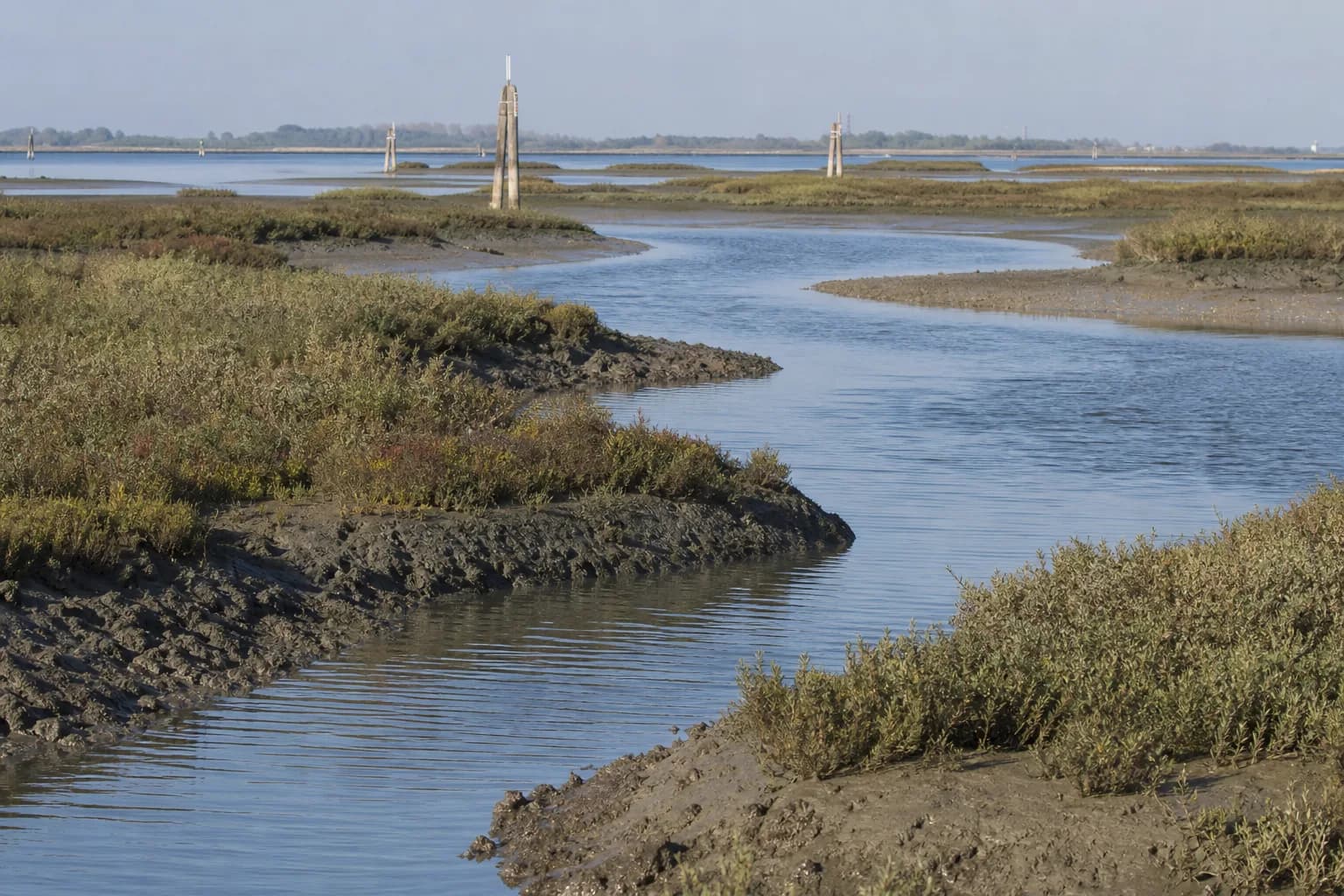
The municipality describes three water basins connected to the sea through port inlets, crossed by a dense network of channels and shaped by features called barene, ghebi and velme. Its broad composition is revealing: about 82 percent water, 13 percent mudflats and salt marshes, and only 5 percent dry land. ISPRA explains that a coastal lagoon remains tide-dominated because water passes through its openings to the sea. Once you understand that structure, a channel is no longer an interruption in the city and a salt marsh is not vacant ground. Both are working parts of the place's form.
- Water dominates the lagoon's area
- Channels, mudflats and salt marshes shape the landscape
Treat the lagoon as cultural infrastructure
UNESCO presents Venice and its lagoon as an inseparable whole formed by long interaction between people and the environment. It gives muddy shelves, fishing villages and other modest lagoon features a place in the heritage story alongside palaces and churches. That is a helpful correction to the postcard view. Exploring Murano, Torcello, Chioggia or the archaeological landscape around Altino is not simply adding attractions to a list; it reveals how craft, settlement and water management produced the city. A resident can begin to understand Venice by watching how those places relate, rather than judging each one as an isolated destination.
- Natural forms and built heritage belong to one system
- The lagoon's settlements explain the historic centre
Read tide numbers, not flood headlines
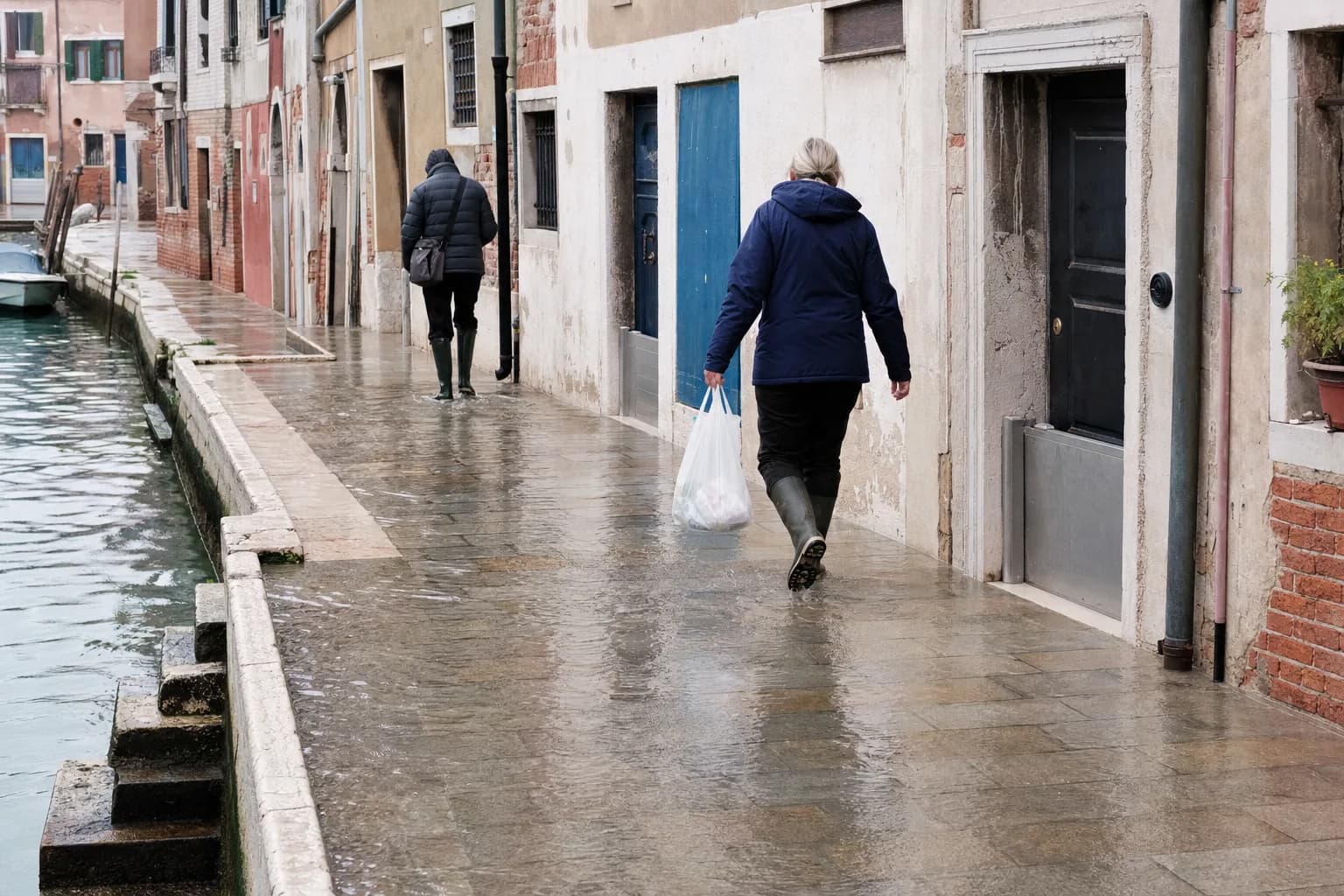
An official tide number is not the depth of water in every street. Venice's municipality reports tide values against a conventional zero established in 1897 and explains that uneven pavement heights make the same event appear differently across the city. The durable habit is to check the municipal Tide Monitoring and Forecast Centre, then interpret the forecast for the places you expect to use. The city's alert page, updated in 2026, says sirens normally sound about three hours before a forecast of at least 110 centimetres, with different tones for different levels. Treat those details as current guidance, not timeless rules.
- The same tide affects different areas differently
- Use timestamped municipal forecasts and alerts
Understand what MOSE changes and what it does not
UNESCO describes MOSE as mobile gates designed to isolate the lagoon from the sea temporarily. ISPRA recorded a useful example on 28 August 2023: measurements reached 115 centimetres off the coast and about 120 centimetres at the three inlets, while activation kept the lagoon below 90 centimetres and prevented flooding in the city during that event. The lesson is precise but limited. An external sea reading does not always become the same level inside the lagoon, yet one successful operation is not a promise about every future tide. Municipal forecasts and observed local levels remain the practical sources to follow.
- MOSE temporarily changes the sea-lagoon connection
- A past successful operation is not a blanket guarantee
Choose the living city, not only the view
UNESCO identifies a loss of resident housing and everyday services to tourism-related uses as a threat to the cultural and social integrity of Venice and the lagoon's historic centres. That makes ordinary life part of any serious reading of the place. When comparing areas, look beyond a beautiful approach by boat and ask whether the services and connections you need support a workable week. Learn the tide information before it becomes urgent, and notice the traditional skills, local institutions and inhabited settlements that keep the landscape functioning. In Venice, choosing a daily routine is also choosing how you participate in a living heritage site.
- Resident life is part of the site's cultural integrity
- Evaluate daily services as carefully as scenery
Sources and further reading
- Venice and its Lagoon — UNESCO World Heritage Centre
- Paesaggio lagunare — Comune di Venezia
- Transitional waters — ISPRA
- Venice and high water — Comune di Venezia
- Centro Previsioni e Segnalazioni Maree — Comune di Venezia
- Servizi di allertamento — Comune di Venezia
- Venice: sea level exceeds 110 cm for the first time in summer — ISPRA